Homeland
Rakhine State, Myanmar
Communities have lived for generations in the area historically known as Arakan, on Myanmar’s western coast.
A concise introduction to the history of statelessness and displacement, the current humanitarian situation, and why the crisis extends across South and Southeast Asia.
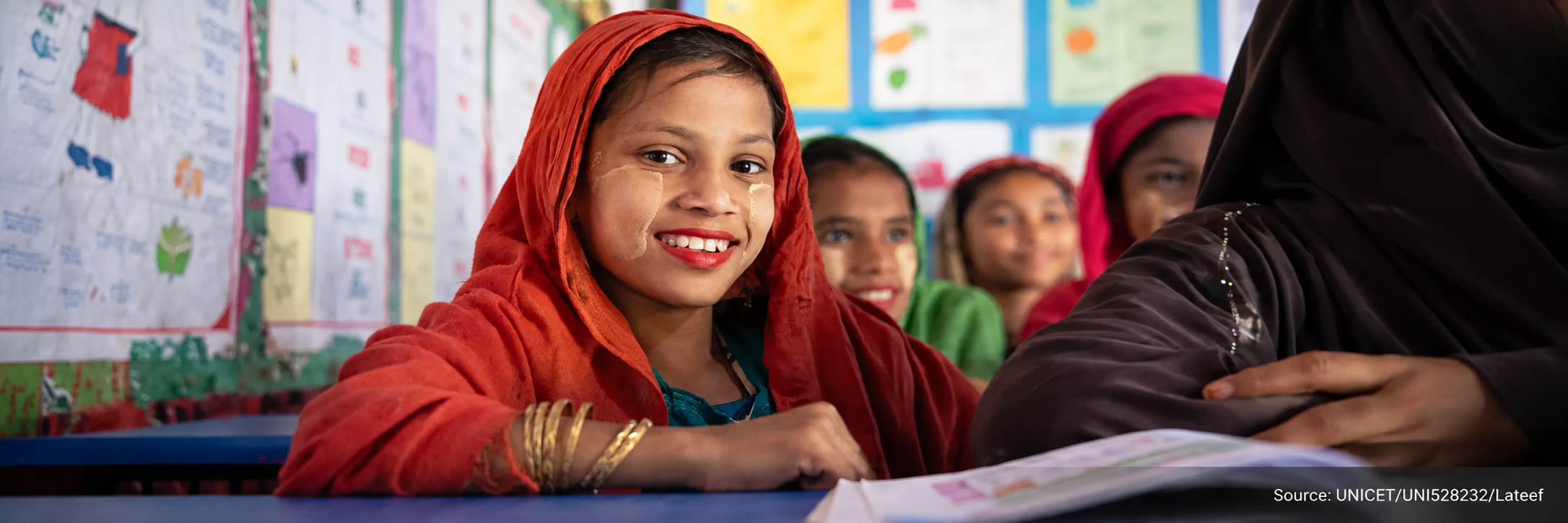
The Rohingya are a predominantly Muslim ethnic minority with longstanding roots in Myanmar’s western Rakhine State. Most are denied recognition as citizens of Myanmar and are described by UNHCR as one of the world’s largest stateless populations.1
Statelessness limits access to rights, freedom of movement, formal education, livelihoods and public services. Repeated violence and forced displacement have separated families and communities across Myanmar, Bangladesh and the wider region. Most Rohingya refugees tell UNHCR they want to return home when return can be voluntary, safe, dignified and sustainable.1
Communities have lived for generations in the area historically known as Arakan, on Myanmar’s western coast.
The 1982 citizenship framework excluded most Rohingya from full citizenship and entrenched severe restrictions.2
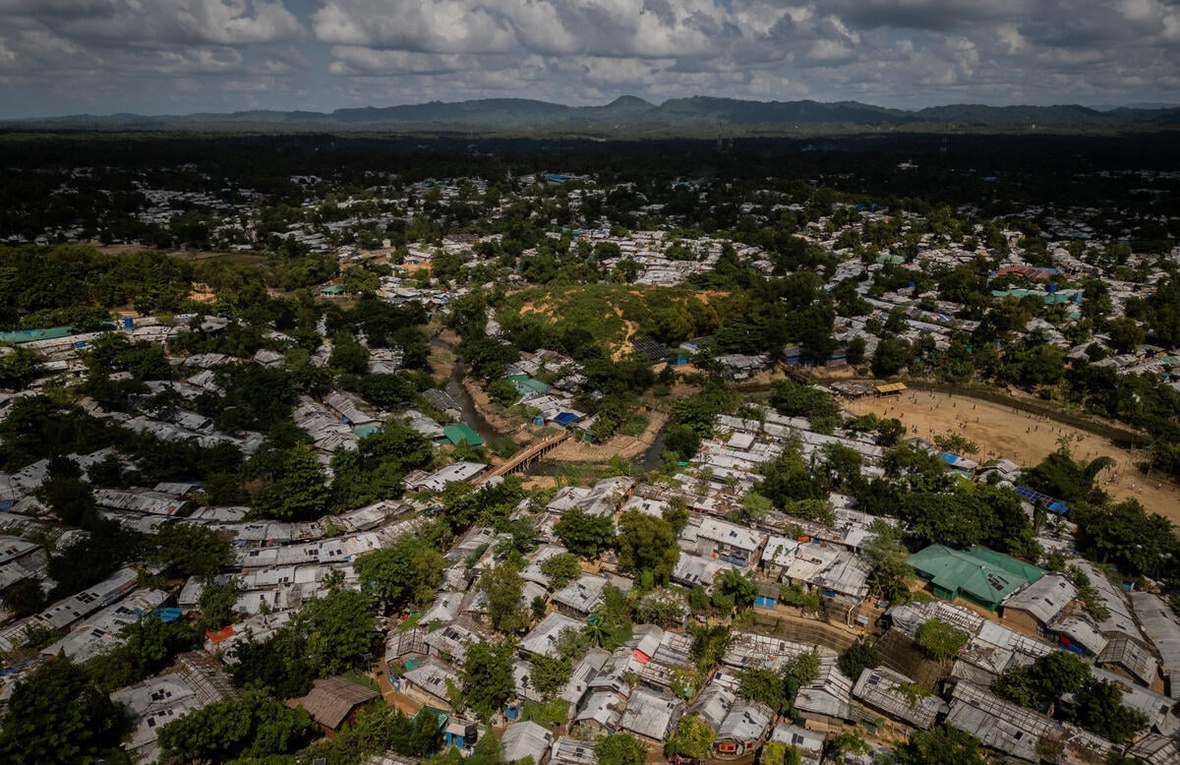
UNHCR recorded about 1.178 million Rohingya refugees and asylum-seekers there at the end of 2025.4
The timeline below highlights several key moments. It is not a complete political history of Myanmar or Rakhine State.
After Burma gained independence, questions of ethnic recognition and citizenship remained contested. Military rule beginning in 1962 intensified policies of exclusion toward the Rohingya.
A government immigration campaign known as Operation Nagamin drove more than 200,000 Rohingya into Bangladesh amid reports of abuses. Most later returned under a bilateral arrangement.2
Myanmar’s new citizenship law created categories that, as applied, excluded most Rohingya from citizenship. The effects continue to shape movement, education, work and access to services.2
More than 250,000 Rohingya fled to Bangladesh. Many later returned, while a protracted refugee population remained in camps around Cox’s Bazar.2
Violence in Rakhine State killed people and displaced communities. UNHCR background research records that nearly 150,000 Rohingya were forced into internal displacement camps around Sittwe.2
Attacks by Rohingya armed groups on security posts were followed by sweeping military operations. More than 700,000 Rohingya fled to Bangladesh after August 2017, reporting killings, sexual violence and the destruction of villages.3
Myanmar’s post-coup conflict and renewed fighting in Rakhine have further reduced safety and access to essentials. UNHCR reported about 150,000 new arrivals in Bangladesh from renewed violence since early 2024, while others attempted dangerous sea journeys toward Southeast Asia.7
At the end of 2025, UNHCR recorded approximately 1.329 million stateless Rohingya refugees and asylum-seekers outside Myanmar, while more than half a million stateless Rohingya were estimated to remain inside Myanmar.4
stateless Rohingya refugees and asylum-seekers recorded by UNHCR across countries of asylum, as of 31 December 2025.
Source: UNHCR Myanmar Situation, data dated 31 December 2025. Registration and estimates do not capture every person or every new arrival. UNHCR Malaysia separately reported 126,144 registered Rohingya at the end of February 2026.
The 2025–26 Joint Response Plan was designed to assist 1.48 million Rohingya refugees and members of host communities in Cox’s Bazar and Bhasan Char, reflecting pressure on both displaced people and the communities hosting them.6
Limited education, recognized qualifications and economic opportunities can deepen dependence on aid and make long-term planning difficult. Funding reductions threaten already limited services.7
UNHCR states that return should be voluntary, safe, dignified and sustainable. Continued conflict, persecution and the absence of citizenship prospects mean those conditions are not yet in place.8
Bangladesh remains the principal host, but the crisis has long extended into Southeast Asia. Malaysia is a major destination; Indonesia—especially Aceh—has received boat arrivals; and waters near Thailand form part of dangerous regional routes.
At the end of February 2026, UNHCR reported 126,144 registered Rohingya in Malaysia. Most refugees and asylum-seekers live in cities and towns rather than camps. UNHCR notes that registration figures do not represent every new arrival.5
UNHCR recorded around 2,600 Rohingya in Indonesia at the end of 2025. Communities and authorities in Aceh have repeatedly supported rescue and disembarkation, while reception capacity and public attitudes remain under strain.4
Thailand sits along maritime and land routes connecting Myanmar, Malaysia and Indonesia. The recorded Rohingya population is small, but incidents near Thai waters show why coordinated search-and-rescue and safe disembarkation are regional responsibilities.
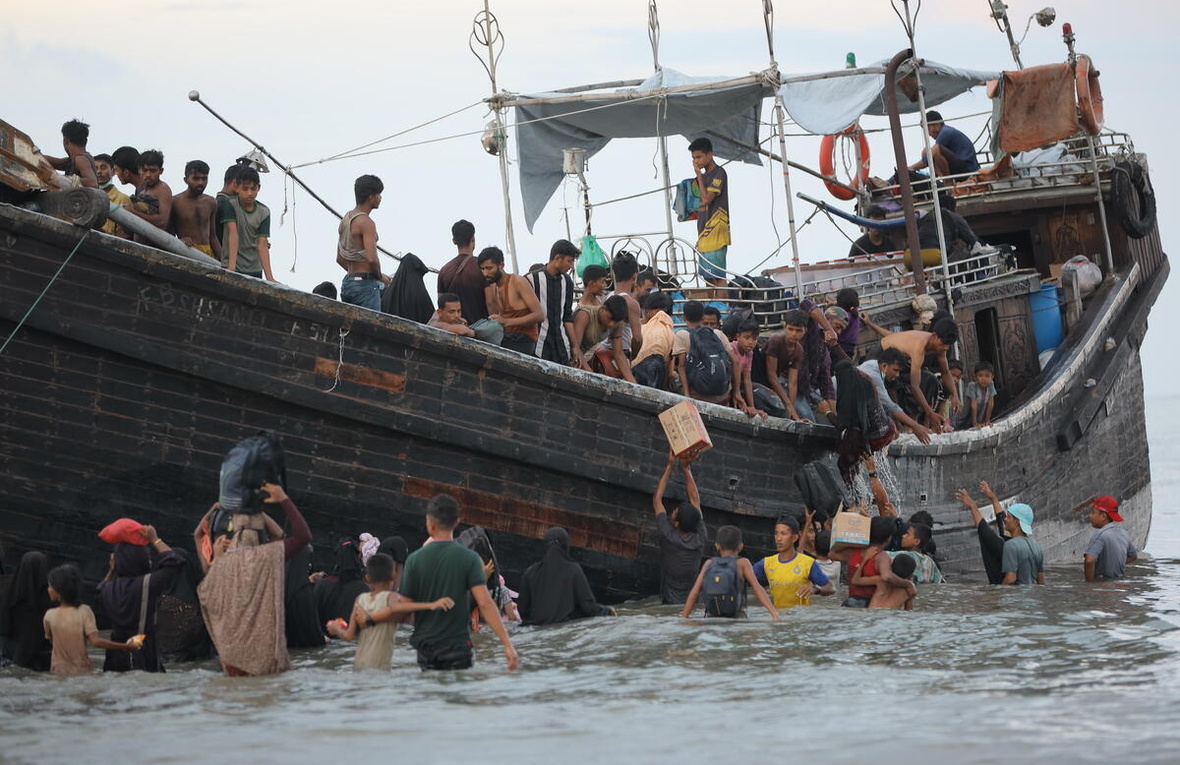
UNHCR reported that nearly 900 people were missing or dead—about one in seven of those who attempted the journey. Boats commonly left Cox’s Bazar or Rakhine State toward Indonesia or Malaysia. Between January and 13 April 2026, more than 2,800 people had already undertaken such journeys.8
Statelessness, interrupted education, restricted movement and uncertain legal status all shape which futures young people can imagine and pursue. That is why this project begins by listening: it seeks to understand aspirations alongside the barriers, resources and relationships that influence them.
Figures change as people move and registration is updated. Readers should consult the linked sources for the latest information.
Overview of statelessness, forced displacement, return intentions and regional distribution. Published by UNHCR Indonesia.
Historical background and chronology covering the 1978, 1982, 1991–92 and 2012 developments.
UN human-rights documentation relating to the 2017 violence, reported abuses and displacement.
Population figures by country of asylum and estimates inside Myanmar. The figures used here are dated 31 December 2025.
Registered refugee and asylum-seeker figures, including 126,144 Rohingya at the end of February 2026.
Humanitarian planning for Rohingya refugees and host communities in Cox’s Bazar and Bhasan Char; published 13 April 2025.
Current Bangladesh context, renewed arrivals since 2024, funding pressure and essential services. Published 2 June 2026.
Sea movement, mortality and route data published 17 April 2026.