01 / EXPOSURE
Few visible examples
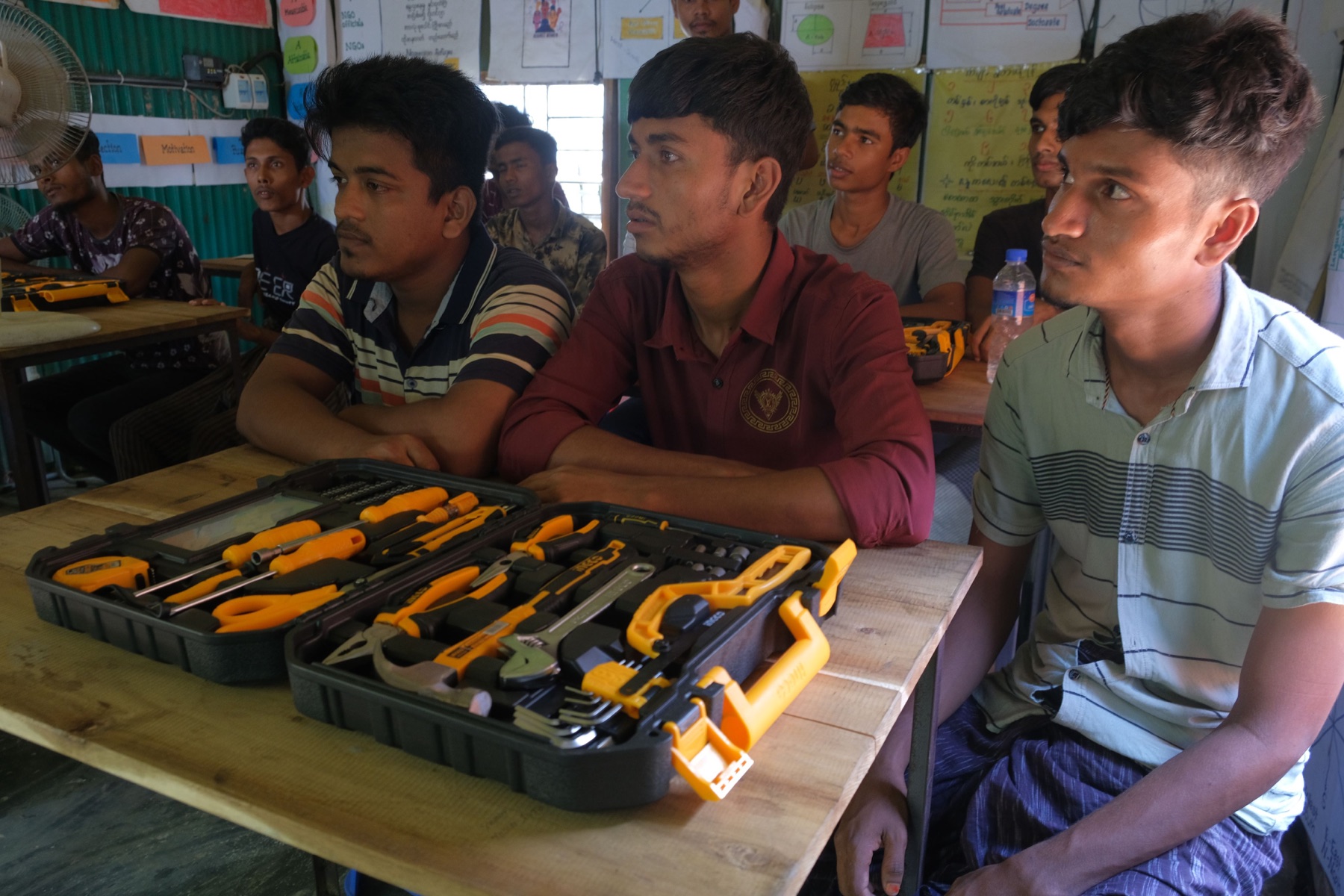
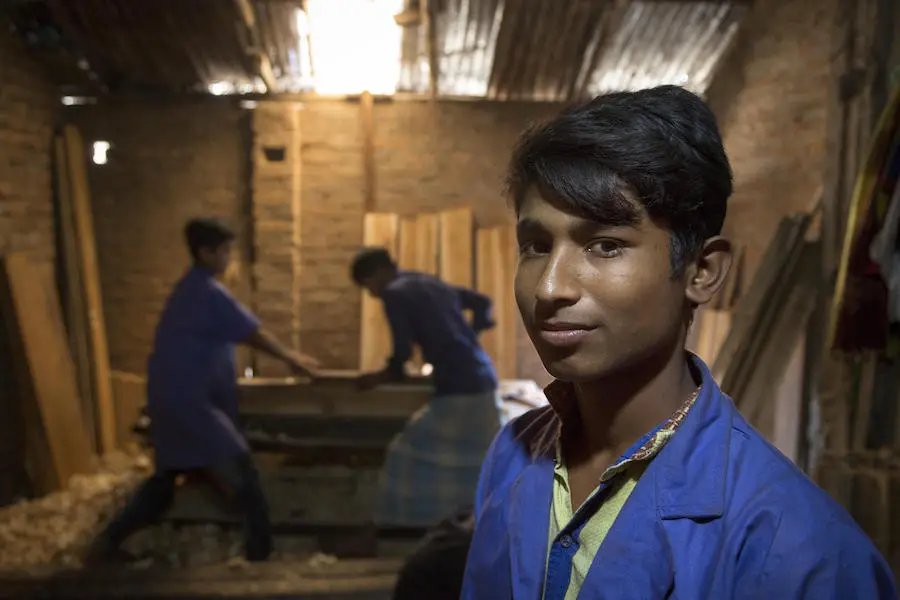
When contact with different occupations and professionals is limited, young people may have little opportunity to understand what roles exist or what those roles require.
Pathways Beyond Borders is a long-term project shaped by Rohingya young people’s goals, experiences and realities—not assumptions made on their behalf.
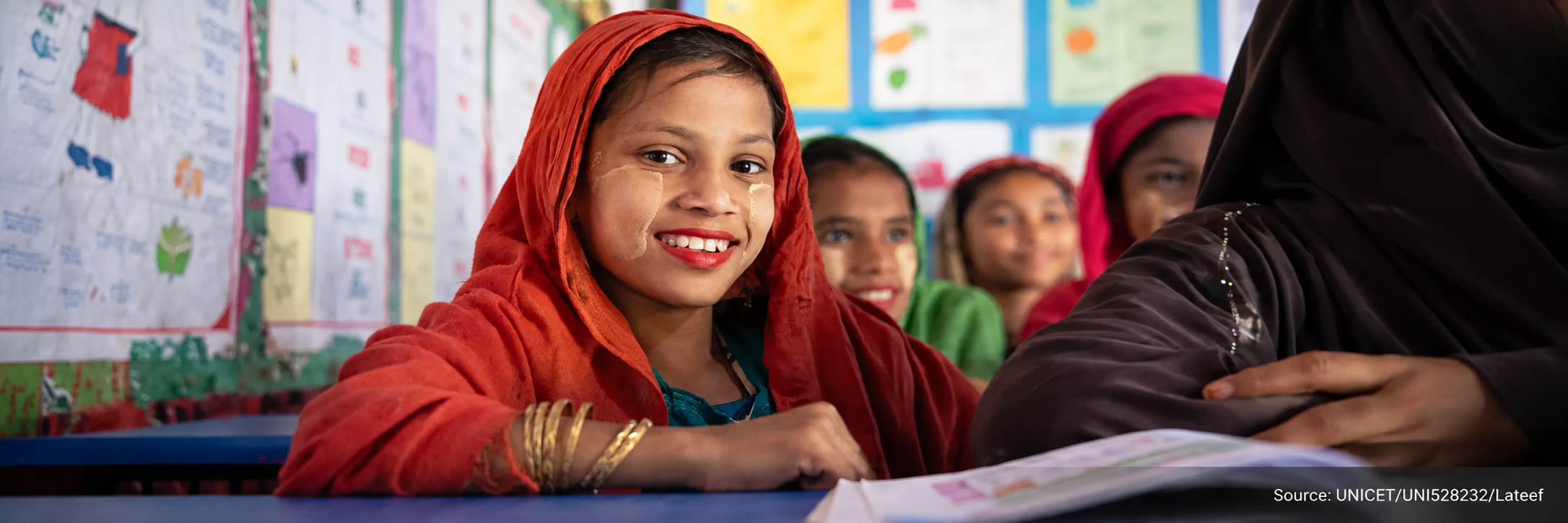
The Rohingya are a predominantly Muslim ethnic minority with deep roots in Myanmar’s Rakhine State. Decades of exclusion, including denial of citizenship under Myanmar’s 1982 citizenship framework, have left most Rohingya stateless. Successive waves of violence and persecution pushed hundreds of thousands into Bangladesh, with the largest exodus beginning in 2017.
Young people cannot plan toward opportunities they have never been able to see. For many displaced and stateless youth, career guidance, professional role models, reliable training information and recognized pathways are limited or difficult to reach.
When contact with different occupations and professionals is limited, young people may have little opportunity to understand what roles exist or what those roles require.
Displacement can interrupt schooling and make qualifications, further education and skills training harder to access or recognize.
Generic career advice may assume access to institutions, documents, technology or freedom of movement that displaced young people do not have.
The goal is not to promise jobs or impose a ready-made programme. It is to learn which careers young people are curious about, which information and skills they lack, and what locally appropriate guidance could realistically help.
The project begins by asking what Rohingya young people hope for, what opportunities they can see and what barriers they experience. What we learn will shape what comes next.
Rather than beginning with a pre-designed programme, Pathways Beyond Borders uses a staged approach: listen, understand, co-design, pilot and improve. Local educators and service partners help ensure that each step is relevant, respectful and realistic.
Support young people in exploring future roles, learning pathways and the skills connected to them.
Use youth feedback and local knowledge to guide decisions instead of imposing a fixed solution.
Translate what we learn into small, testable resources or activities that can be improved over time.

Pathways Beyond Borders is a student-led initiative created by Melody. It began with a question: how can young people affected by displacement gain clearer, more realistic ways to explore education, skills and future careers?
Melody is developing the project with guidance from educators and service partners who understand the local context. The survey and this website are part of the project’s early work: listening carefully, checking assumptions and deciding what kind of support could be genuinely useful.
The survey is the first listening tool—not the final product. Later phases will only be defined after feedback is reviewed with people who understand the local context.
Gather youth perspectives and educator feedback through a carefully reviewed survey.
Identify shared aspirations, information gaps, support needs and barriers.
Discuss possible resources or activities with educators, partners and young people.
Test one small, practical form of career exploration support.
Review feedback, document learning and decide how the project should develop.
At this early stage, success does not mean promising a job or launching a large programme. It means learning enough to make the next step relevant, responsible and achievable.
Young people can describe the careers, skills and futures they are interested in using their own words.
The project develops a clearer picture of the information, learning opportunities and support that may be missing.
Educators and service partners help assess whether the findings and proposed next steps are appropriate and realistic.
The learning leads to one small career-exploration resource or activity that can be tested and improved.
The project’s value depends on how it treats participants, interprets their responses and communicates what it learns.
Young people’s own priorities should shape the project’s direction.
Participants can decline or stop without penalty.
Findings should be shared without exposing individual respondents.
Educators and service partners help assess language, relevance and feasibility.